How to Make Your First $1,000 with Vyro: A Beginner’s Guide
The creator economy is growing rapidly, and short-form video has created new ways for people to make money online. One platform attracting attention is Vyro, which connects content owners with creators who can turn existing content into engaging short-form clips.
If you can create videos for TikTok, YouTube Shorts, Instagram Reels, or Facebook Reels, Vyro may offer an opportunity to monetize your editing and content-creation skills.
But can you really make your first $1,000 with Vyro?
Yes, it can be possible—but it is not guaranteed or an overnight process. Success depends on your skills, consistency, campaign availability, content quality, and performance.
What Is Vyro?
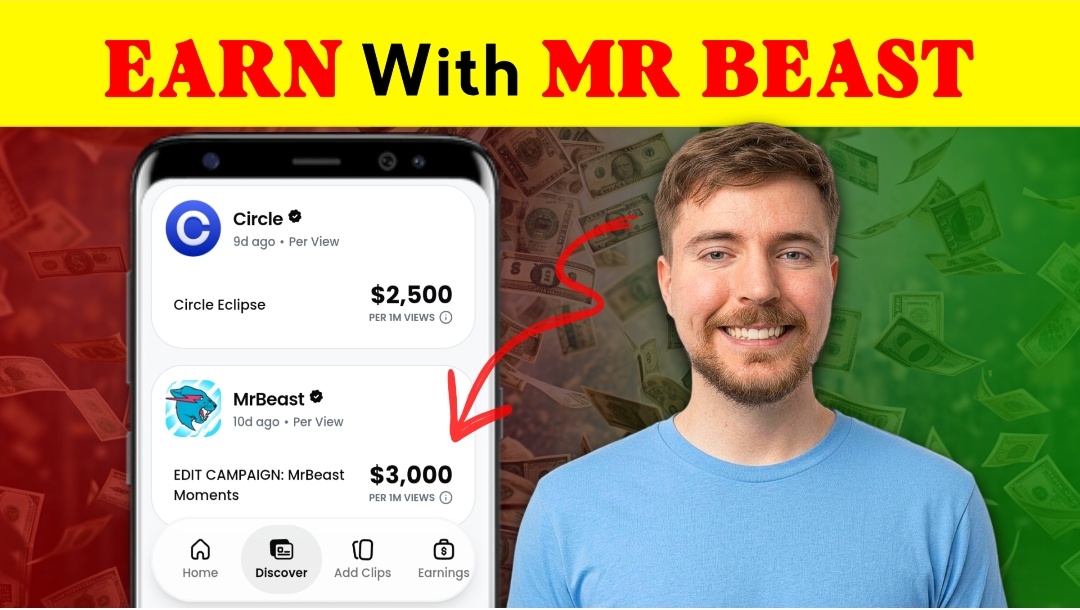
Vyro is a creator-focused platform where users can participate in campaigns, create eligible short-form clips, and potentially earn rewards according to campaign rules.
Instead of constantly searching for freelance clients, creators can use available campaigns to find content opportunities. This makes Vyro particularly interesting for beginners who want to develop their editing skills while exploring online income opportunities.
Step 1: Create Your Account
Start by creating your Vyro account and completing your profile.
Make sure your information is accurate, verify your account when required, and carefully read the platform’s guidelines. Understanding the rules before creating content can help you avoid unnecessary mistakes.
Step 2: Understand How You Get Paid
Before making clips, understand how each campaign works.
Campaigns may have different requirements and reward structures. Earnings can depend on factors such as video performance, engagement, content quality, originality, and campaign rules.
Never assume every campaign pays the same way. Always review the specific requirements before participating.
Step 3: Learn What Makes a Viral Clip
Good editing alone isn’t enough. Your video needs to make people stop scrolling.
Strong short-form videos often use:
- Powerful hooks
- Fast pacing
- Curiosity
- Emotion
- Humor
- Surprising moments
- Useful information
The opening seconds are especially important. If viewers immediately lose interest, your clip is unlikely to perform well.
Step 4: Improve Your Editing Skills
You don’t need expensive professional software to begin. Focus on mastering the fundamentals:
- Captions
- Zooms
- Sound effects
- Background music
- Smooth transitions
- Basic motion graphics
- Clean visual presentation
Simple and engaging editing is usually more effective than adding unnecessary effects.
Step 5: Choose Campaigns Carefully
Not every campaign offers the same potential.
Before choosing one, consider the campaign requirements, available audience, content quality, creator popularity, and potential for engagement.
The right campaign can give you a better opportunity to create content that viewers actually want to watch.
Step 6: Focus on Retention
Don’t focus only on views. Watch time and audience retention matter.
Ask yourself:
- Does the opening create curiosity?
- Does the story keep moving?
- Is there a reason to watch until the end?
- Could the viewer want to replay it?
A strong clip should deliver a satisfying payoff rather than simply trying to generate clicks.
Step 7: Create More Than One Variation
When campaign rules allow it, experiment with different clips, hooks, pacing, and moments.
One idea may perform poorly while another version of the same content can attract significantly more attention.
Always follow the campaign’s submission rules and avoid misleading content.
Step 8: Study Successful Videos
Analyze clips that perform well. Look at their:
- Length
- Hook
- Captions
- Editing rhythm
- Storytelling
- Music
- Visual structure
The goal isn’t to copy successful creators. Instead, learn what makes their content engaging and apply those principles to your own work.
Common Beginner Mistakes
Avoid:
- Ignoring campaign rules
- Weak introductions
- Poor audio
- Difficult-to-read captions
- Over-editing
- Low-quality exports
- Inconsistent uploads
- Ignoring performance data
Small improvements can make a major difference over time.
How to Reach Your First $1,000
Treat Vyro like a skill-building opportunity rather than a quick-money shortcut.
Improve your editing every week, organize your workflow, learn shortcuts, create efficiently, and track which types of clips perform best.
Your goal should be to become faster, better, and more consistent with every campaign.
The $1,000 milestone may come from many successful clips rather than one viral video.
Can Beginners Succeed?
Yes. Beginners can start by learning basic editing, understanding campaign requirements, and practicing consistently.
You don’t need a massive audience to begin developing valuable skills. Over time, experience with short-form content can also open opportunities beyond Vyro, including freelance editing and content creation for other platforms.
Frequently Asked Questions
Is Vyro free to join?
Availability and onboarding requirements may vary, so check the official Vyro platform for current information.
How long does it take to make $1,000?
There is no guaranteed timeline. It depends on campaign availability, content performance, consistency, and your skills.
Do I need professional editing software?
No. Beginners can start with accessible editing tools and upgrade as their skills grow.
Can I use AI tools?
AI may help with parts of your workflow, but you should always follow the specific campaign rules and submit compliant, original work.
Final Thoughts
Making your first $1,000 with Vyro can be achievable, but it requires patience, consistency, and quality—not shortcuts.
Focus on creating clips that stop the scroll, maintain attention, and follow campaign requirements. Analyze your results, learn from every upload, and continuously improve your editing process.
Your first $1,000 should be viewed as more than a financial milestone. The skills you develop—editing, storytelling, audience psychology, and content strategy—can become valuable assets for opportunities across TikTok, YouTube, Instagram, Facebook, and the wider creator economy.