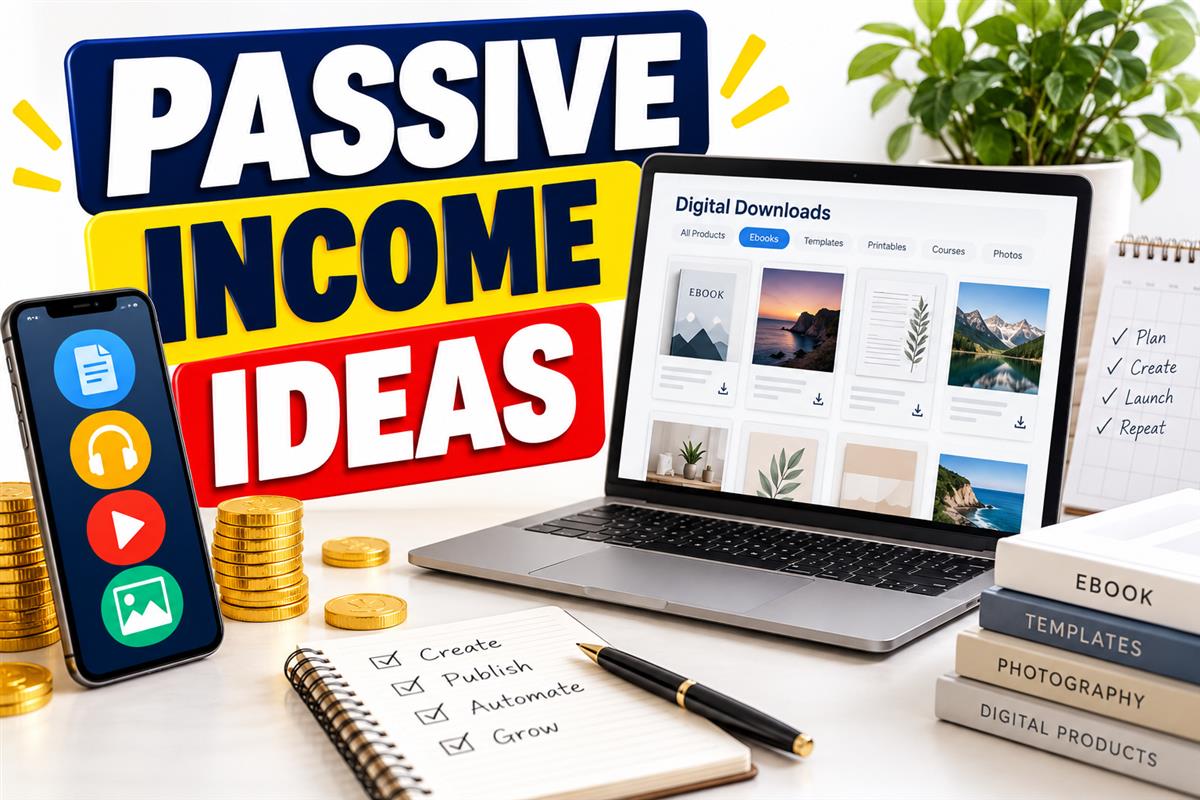
Passive income ideas for beginners are easier to evaluate when you understand the work behind them. A digital product, licensed photograph, or useful guide may keep generating sales after its creation, but it still needs demand, maintenance, and a way to reach buyers. Some approaches require money as well as effort. If you are starting without much capital, focus on creating a useful asset from knowledge or original material you already have. This guide explores practical, work-based possibilities and explains what remains active after launch, so you can choose a manageable experiment without expecting money to arrive simply because a product exists.
Create a Template for a Specific Problem
A useful template helps someone complete a recurring task with less confusion. Think about a project tracker for a particular hobby, an event planning worksheet, or a household inventory sheet. Before designing it, ask potential users how they currently handle the task and what they find frustrating. Build the smallest version that solves the main problem. Include an example, instructions, and clear information about compatible software. The selling page should show the actual product rather than a vague promise of better productivity. Templates can be sold repeatedly, but questions, corrections, and software changes may create continuing work after the original design is finished.
Write a Focused Practical Guide
A short guide can package knowledge about a task you understand thoroughly. Choose a narrow outcome, such as preparing materials for a beginner hobby project, rather than trying to cover an entire profession. Organize the guide around the reader’s starting point and likely obstacles. Use original wording, verify factual claims, and include photographs or illustrations only when you own them or have the right license. A useful guide should stand on its own without requiring a series of unexplained purchases. Plan to review it periodically because links, products, and procedures may change. Repeated sales are possible, but discovery and reader trust still require attention.
License Original Photos or Creative Assets
If you enjoy photography or design, you can explore licensing material you create yourself. Think about practical uses, such as clear workplace scenes, original textures, or graphics that solve a common presentation need. Review the chosen marketplace’s current submission standards and license conditions before uploading. Images featuring recognizable people or private property may require appropriate permissions. Keep accurate records of what you created and any releases or asset licenses. A catalog does not guarantee sales, and competition can be substantial. Start with a small collection, observe which subjects attract interest, and improve quality and relevance instead of producing a large volume without a clear audience.
Build an Evergreen Educational Resource
A recorded lesson or structured exercise set may serve multiple learners over time. Choose a topic that benefits from your explanation and divide it into manageable steps. Test the material with a few intended users before recording a full course. Their questions will reveal gaps more effectively than adding extra lessons without feedback. Include captions or readable supporting notes where practical, and make the required skill level clear. Even an evergreen topic can require corrections, learner support, and updated examples. Treat the first resource as a carefully scoped teaching product rather than assuming a long video automatically creates value or that publishing guarantees student enrollments.
Publish Helpful Content With a Long Useful Life
A collection of genuinely useful articles or videos can support future product sales or other business activity. Choose questions you can answer well and show the reasoning or practical steps behind your advice. Avoid copying competitors or producing repetitive pages purely to attract traffic. An audience takes time to develop, and monetization depends on the platform, eligibility rules, and whether readers trust your material. If you later use paid partnerships or affiliate links, check applicable disclosure requirements and explain the relationship clearly. This route requires regular work before it may produce income, so it is better suited to a patient project than an urgent cash need.
Count Costs and Ongoing Responsibilities
Estimate the effort required to create, promote, update, and support an asset. Add software charges, marketplace fees, refunds, and payment processing costs when relevant. A hypothetical product selling for $10 does not generate $10 of profit if deductions and expenses apply; use your actual terms to calculate the result. Keep records of sales and customer questions, and check the tax requirements relevant to your location. Protect original files with backups and make delivery instructions clear. These practical tasks reduce avoidable problems and help you determine whether the asset creates enough value to justify maintaining it over the coming months.
Validate One Asset Before Expanding
Choose one idea and talk to likely users before creating a large collection. Prepare a useful first version, show an accurate preview, and decide how you will judge the experiment. That could mean learning whether anyone purchases, whether users complete the intended task, or how much support the product requires. Review results after a realistic period and improve the main weakness. Passive income usually becomes less mysterious when you see it as ownership of a useful asset supported by a working system. Start with a small promise you can fulfill, then expand only when demand and manageable maintenance give you a reason to do so. If you need a low-cost starting point, read about making money online for free. For more active ways to supplement your income, compare these practical side hustles.




2 Comments on “Passive Income Ideas for Beginners”